


Canasta Card Game
4.61.07K Reviews
App Specs
- Version
- 1.3.1
- Updated On
- License
- Free
- Downloads
- 100,000+
- Developer
- FIOGONIA LIMITED
- Categories
- Card
- Platform
- Android
Screenshots
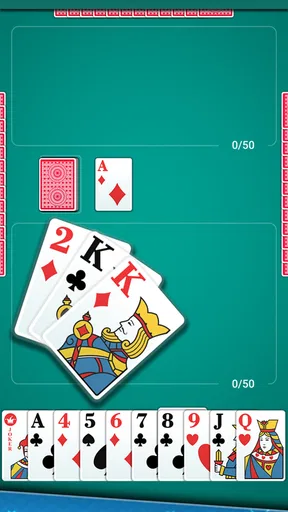
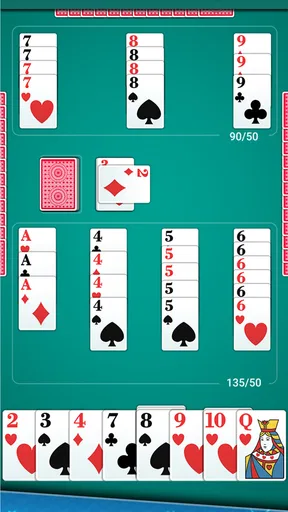
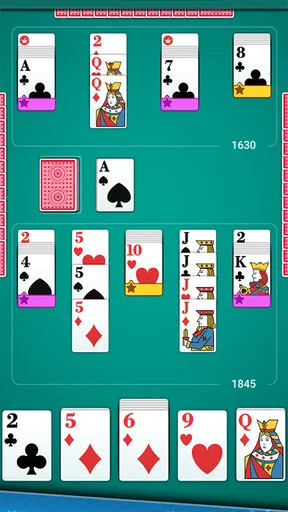
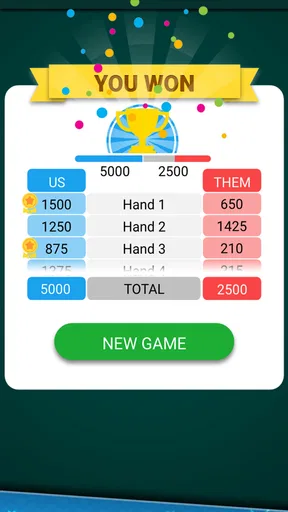
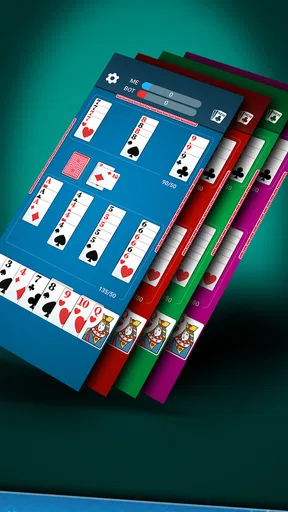
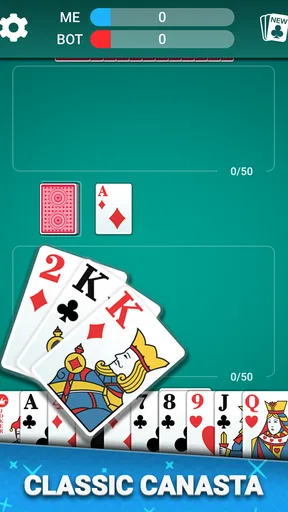
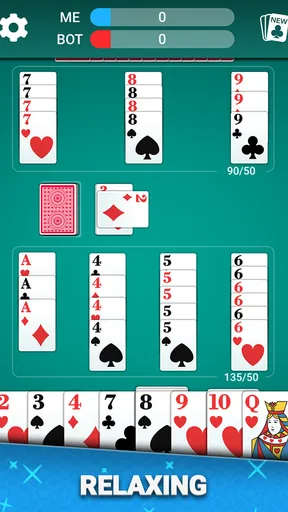
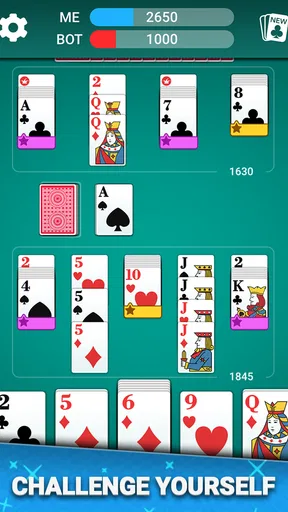
 Analysis by AppCompare
I have a soft spot for card games that do not demand a fast internet connection, a complicated account setup, or a large time commitment. Canasta Card Game fits that mood well. It is a free card game from FIOGONIA LIMITED, built around the classic Canasta format and designed for playing offline whenever I have a few quiet minutes. After spending time with it, I see it as a focused, traditional option rather than a flashy all-purpose card platform.
That distinction matters. This is not the kind of game I would open for a huge collection of modes, social events, or constant novelty. Its appeal comes from giving the familiar Canasta structure a convenient mobile home. The current release is version 1.3.1, and the game has reached over one hundred thousand installs with a 4.6 average from roughly three and a half thousand ratings. Those figures suggest that its straightforward approach is connecting with players who already know the game or want a calm introduction to it.
How the current version feels to play
At its best, Canasta Card Game turns a traditional table game into something easy to carry around. I can imagine using it during a commute without a reliable connection, while waiting for an appointment, or at home when I want something more thoughtful than a quick arcade round. The offline focus is especially useful because it removes one of the most annoying interruptions in mobile gaming: needing a connection for a game that does not really need one.
The central attraction is the familiar Canasta rhythm. I draw cards, decide which combinations are worth building, manage the discard pile, and try to turn a promising hand into a completed canasta before the opportunity disappears. That creates a nice balance between immediate choices and longer planning. A move that looks harmless now can make the next turn awkward, while holding a useful card too long can leave me with fewer practical options.
I like this kind of decision-making because it rewards attention without requiring constant concentration. I can play seriously when I feel competitive, but I can also treat a round as a relaxing mental break. The game is therefore more suitable for short sessions than many strategy titles, although a full match can still become absorbing when the cards start to fall into place.
The strongest reason to install it is simple: it makes a familiar card game available in a quiet, offline format. That is more valuable than it sounds. Many mobile card games push online matchmaking, daily rewards, advertisements, or several unrelated modes. Here, the identity is much clearer. If I want Canasta, I do not have to search through a crowded menu to find it.
What makes the card decisions interesting
New players should understand that Canasta is not merely about collecting pairs as quickly as possible. The important skill is reading the value of a developing meld while keeping enough flexibility to respond to the discard pile. I have found that it is often better to preserve a useful card than to complete a small combination immediately. That choice becomes especially important when the visible discard pile contains cards that could dramatically improve a hand.
Worth Reading Before You Choose

EA SPORTS FC Mobile 26 Is a Bigger Football Game, but It Takes Time

Flipboard Shows What News Apps Must Do Beyond the Feed

Switching to Android Auto Means Rethinking Your Driving Routine

Google Calendar Makes a Crowded Week Easier to Manage

Ludo King Makes the Most of the Minutes Between Plans

Baby Panda World Brings Quick Play to Modern Phones, but Its Game Library Feels Busy
A practical habit is to inspect the whole hand before drawing from the pile. It is tempting to grab a tempting discard as soon as it appears, but doing so can force a commitment that is difficult to undo. I also try to avoid treating every matching card as equally valuable. A card that completes a useful sequence may be more important than one that simply increases the size of an existing group.
These are not advanced features in the app itself; they are ways to get more from its traditional rules. The game works best when I approach it as a planning exercise rather than a slot machine. Luck still matters, naturally, but careful choices make the difference between a hand that stays flexible and one that becomes stranded.
Offline play in an everyday routine
A realistic use case is a short wait in a place where mobile service is unreliable. I can start a round without planning ahead, play at my own pace, and put the phone away when my turn in real life arrives. That makes the game more practical than an online card room, where leaving abruptly may affect another player or cause a match to be lost.
Offline play also changes the mood. I do not feel pressure to answer immediately, maintain a chat, or keep up with a live opponent. For someone who enjoys cards but dislikes the social demands attached to many multiplayer apps, this is a meaningful advantage. It also makes the game appropriate for travel, provided the device itself has enough battery for a session.
There is a trade-off, though. A purely offline experience cannot provide the same sense of unpredictability as playing against a friend sitting across the table. The convenience is excellent, but the social element is limited. I would choose this game for solo practice or relaxation, not as a replacement for an evening of physical cards with family.
What the release history tells me
The game launched on June 29, 2023, and the current version is 1.3.1. That gives the app a little development history without making it feel like an old, abandoned product. I see the current version as a sign that FIOGONIA LIMITED has continued to maintain the title after its initial release. Still, a version number alone does not tell me that the game has changed dramatically, so I would judge it by its present usability rather than expecting a completely different experience from earlier editions.
For existing users, the practical effect of a maintained current release is reassurance. If someone installed the game earlier, the move to version 1.3.1 suggests that the app has not simply been left untouched after launch. That matters for a card game because small issues can affect the whole experience: confusing turn feedback, unclear card states, or interruptions at the wrong moment can make a simple match frustrating.
I am careful not to treat maintenance as a promise of major new content. The appeal here remains the classic Canasta format. Players returning after time away should expect the same basic reason to open the app: a traditional card session that can be played without relying on an internet connection. Anyone hoping for a large expansion of modes should keep expectations more modest.
The app’s free price also lowers the barrier to trying it. I can test whether its interpretation of Canasta suits me without paying at the start. At the same time, in-app purchases range from $4.99 to $29.99 per item, so I would check the purchase flow carefully before handing the phone to a child or letting someone else play on my device. The free entry is convenient, but it does not mean every optional transaction is irrelevant.
Who will enjoy it most
I would recommend this game first to people who already enjoy Canasta and want a portable solo version. It is also a sensible choice for someone learning the broad rhythm of the game before playing with experienced relatives or friends. Because the age rating is Everyone, it can fit a family device more comfortably than many card titles with mature themes, although younger players may still need help understanding the rules and the purpose of each move.
It suits patient players better than people who want constant action. The pleasure comes from evaluating cards, waiting for the right opportunity, and accepting that a good plan may need to change after the draw. If I am in the mood for a fast game with immediate visual rewards, this would not be my first choice. If I want a quiet puzzle disguised as a card match, it becomes much more appealing.
It is also a good option for players who prefer a clear specialization. A broad card-game collection can be useful when I want to switch between solitaire, poker, rummy, and other formats. But that variety can make each individual game feel shallow. Canasta Card Game avoids that problem by keeping attention on one established style.
Where it falls short compared with alternatives
The usual alternative is a physical deck and a real opponent. That option wins on conversation, shared atmosphere, and the feeling of handling cards. It also lets players agree on house rules and adjust the pace naturally. This app wins on convenience, privacy, and availability. I can play alone, pause when needed, and avoid setting up a table.
Another alternative is an online multiplayer card app. Online play provides human unpredictability and often a stronger competitive atmosphere. It may be better for someone who wants rankings, live matches, or a regular opponent. Canasta Card Game is better for a player who wants control over the session and does not want a connection requirement to determine whether a round is possible.
Finally, there are general card-game collections. Those are attractive for households with several different preferences, but they may include distractions that dilute the Canasta experience. This title makes more sense when Canasta itself is the destination. I would skip it in favor of a broader collection if I expected to alternate constantly between several card games.
One limitation I notice is that the focused design can feel narrow over time. Once I have played enough rounds, the basic structure may not offer the same freshness as a game with multiple modes or a changing campaign. That is not a defect in the rules, but it is an important consideration for long-term variety. The game is strongest as a dependable companion, not necessarily as the only card game on my phone.
Practical advice before settling in
My first tip is to use the early turns to learn the app’s presentation rather than rushing for points. I pay attention to how the hand, melds, and discard information are displayed, because a player who understands the visual layout can make decisions more confidently. Once the interface becomes familiar, I can spend my attention on the cards instead of searching the screen.
My second tip is to treat the discard pile as a source of information, not just a source of cards. Even when I do not take it, the visible cards can reveal what kinds of combinations may be developing. I try to remember which useful cards have already appeared and avoid discarding something that could obviously help a future hand. This is one of the easiest ways to make solo play feel more strategic.
My third tip is to separate practice sessions from serious sessions. When I am learning, I experiment with keeping unusual combinations or taking a risk simply to see how the hand develops. When I want a stronger result, I become more conservative and protect flexibility. That approach helps beginners learn without turning every mistake into a reason to quit.
I would also decide in advance whether I want a short break or a complete match. Because the game is offline, it is easy to begin casually, but a match can hold my attention longer than expected. Starting a round when I have only a few seconds may be inconvenient if I dislike leaving a game unfinished. The app is flexible, but my schedule still determines whether it feels relaxing or rushed.
Questions I would consider before downloading
If I were wondering whether an internet connection is necessary, the answer is no for the game’s advertised offline purpose. That is one of its clearest practical strengths. I would still install it while connected so the download and any initial setup are smooth, then use it when connectivity is poor or unavailable.
If I were asking whether it is suitable for a child, the Everyone rating makes it broadly family-friendly. However, Canasta has rules that may be more demanding than the rating suggests. A child who enjoys matching and sorting may like the cards, but a younger player may need an adult to explain melds, discards, and the value of planning ahead.
If I were concerned about cost, I would begin with the free version and watch the purchase prompts. Optional items cost between $4.99 and $29.99 each, so the app is easy to try but should still be treated like any free game with in-app purchases. I would not assume that free installation means every part of the experience is free of optional spending.
If I wanted to play with a friend online, I would look elsewhere. This title’s strongest identity is solo, offline Canasta, not a live card room. A multiplayer-focused alternative would be a better match for direct competition, conversation, and shared matches.
If I were deciding whether it can replace a physical deck, I would say only partly. It replaces the convenience problem, not the social experience. For practicing decisions, filling idle time, or enjoying a private match, it works well. For family gatherings, teaching through conversation, or creating a shared ritual, real cards remain more satisfying.
My recommendation after using it
Canasta Card Game is a sensible download for a specific kind of player: someone who wants the classic card format, values offline access, and prefers a calm solo experience over a busy online platform. FIOGONIA LIMITED has kept the concept focused, and the current version gives the app a maintained feel without changing its traditional identity.
I would not recommend it to someone looking for elaborate progression, constant events, or a large multiplayer community. I would also avoid presenting it as a complete replacement for playing Canasta with other people. Its strengths are narrower and more useful than that: availability, simplicity, portability, and the chance to think through a hand without pressure.
For me, the deciding factor is how naturally it fits into ordinary downtime. I can open it when the day is fragmented, play offline, and return to the familiar decisions that make Canasta enjoyable. The free entry makes trying it easy, while the purchase range means I would remain attentive to optional spending. Overall, I see it as a dependable card game for practice and relaxation—best when you want Canasta itself, without the setup of a physical table or the demands of live online play.
Pros
- Easy-to-learn rules make it suitable for casual players.
- Supports relaxing solo play without needing an internet connection.
- Multiple difficulty levels provide a gradual learning curve.
- Clear card layouts make melds easy to track during play.
- Short matches are convenient for quick gaming sessions.
Cons
- Advanced strategy can feel repetitive after extended play.
- Ads may interrupt the experience in the free version.
- Some features may require in-app purchases to unlock.
- Random card deals can occasionally make matches feel unbalanced.
- The interface may feel dated compared with newer card games.
FAQs for Canasta Card Game
What is Canasta Card Game, and how is it played?
Canasta Card Game is a digital version of the classic rummy-style card game, usually played with two decks and wild cards. The main objective is to create melds, which are groups of cards with the same rank, and score points by forming canastas of seven cards. Depending on the app version, you may play against computer opponents, online players, or friends.
Can I play Canasta Card Game offline without an internet connection?
Many Canasta Card Game apps offer an offline mode against computer-controlled opponents, which is useful when traveling or when you have limited connectivity. However, features such as online multiplayer, leaderboards, advertisements, cloud synchronization, and daily challenges may require an internet connection. Check the app’s description and permissions before downloading if offline play is important to you.
Does Canasta Card Game support multiplayer games with friends?
Multiplayer availability depends on the specific Canasta Card Game app. Some versions let you invite friends through private rooms, while others match you with random online opponents or support local play on the same device. Before starting a match, review whether the app requires account registration, supports cross-platform play, and offers reliable reconnection if a player loses internet access.
Is Canasta Card Game suitable for beginners?
Canasta Card Game is generally suitable for beginners, although the rules can feel complicated during the first few matches. A good app should include a tutorial, explanations of scoring, and practice games against artificial intelligence. Beginners should pay attention to wild-card restrictions, minimum meld requirements, and the rules for taking the discard pile, as these details strongly affect strategy.
Are there advertisements or in-app purchases in Canasta Card Game?
The business model varies between Canasta Card Game apps. Free versions commonly display advertisements between rounds or during menus and may offer optional purchases to remove ads, unlock features, or obtain virtual coins. These purchases are usually not necessary to learn the game, but you should check the store listing for pricing, subscriptions, and whether progress or online advantages are connected to paid items.


